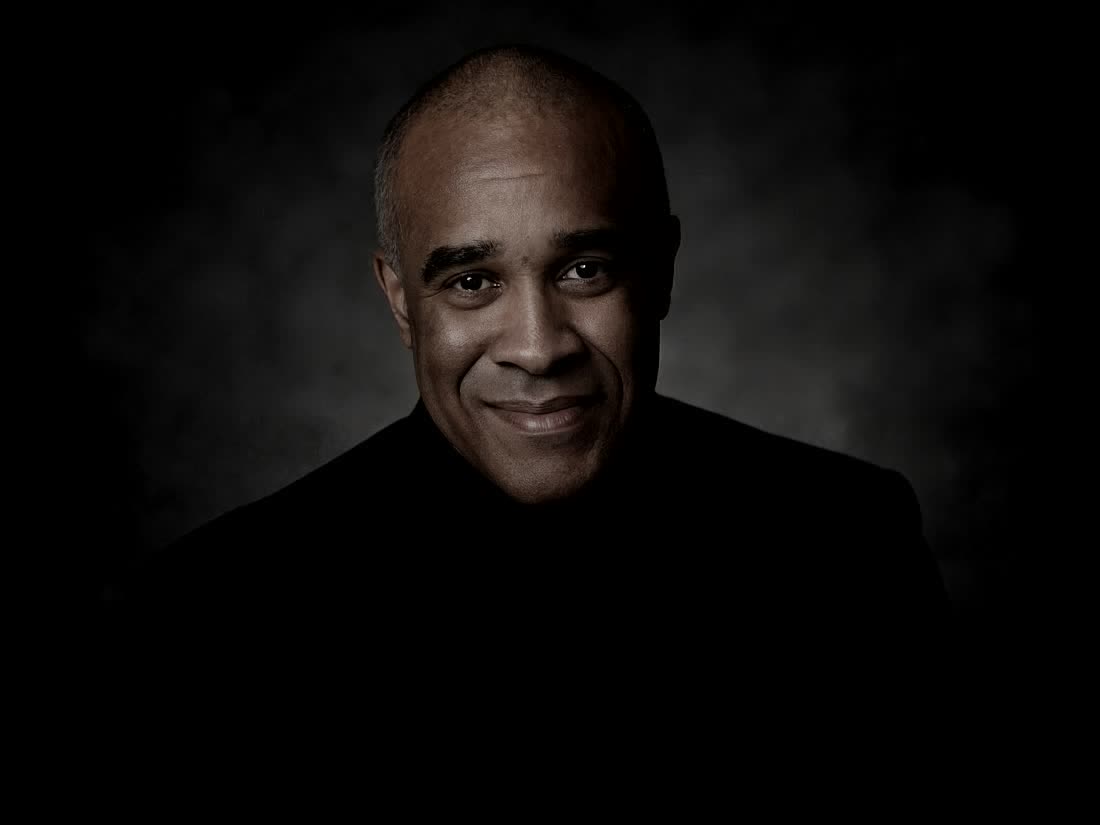
About

Trent T.
Daniel

Trent T. Daniel
Trent T. Daniel Keynote Speaker · AI Trainer · Software Builder
RoleChief Executive Officer
CompanyBotMakers, Inc.
ParentBioQuest, Inc. (BQST)
AlsoPublished author
BroadcastFormer Houston radio host
BasedKaty, Texas
TravelsWorldwide
BookingTwo to six months out

He is not a futurist. He is the person your team calls when the pilot stalls.

Trent T. Daniel is the chief executive of BotMakers, Inc., a division of publicly traded BioQuest, Inc. (BQST), and an entrepreneur who has built and sold technology for most of his career. He is a working operator who speaks, rather than a full-time speaker, and his team designs and ships custom AI systems for corporations, government agencies, law firms, nonprofits and public companies.

That combination is what he teaches from. As a chief executive he has sat on both sides of the table: approving AI budgets and defending them, and being pitched by vendors whose demos do not survive contact with a real workflow. He has educated executive committees on what to fund and what to refuse, and trained the teams underneath them on how the work actually changes. He speaks as someone who has signed the checks, been burned, and learned to tell the difference between a tool and a trick.

His track record is not theoretical, and it did not start with AI. He helped build the One World Doll Project into a major toy brand that debuted in more than 3,000 Walmart stores. He co-authored his first book, Situation 101: Finances, with legendary television actress Bern Nadette Stanis. He hosted morning radio at two Houston stations and served as executive producer of The Makeover, a Houston magazine and television show. He then developed an application and secured a multi-year, multi-million dollar agreement with Zinnia, the platform behind over $193 billion in annuity sales.

Today he has built and launched four AI products, delivered more than fifty enterprise deployments across a dozen industries, and trained audiences from the executive committee down to the front desk. Consumer products, publishing, broadcast, media, enterprise software, artificial intelligence: six industries, one method.

The message does not change with the room: the organizations that win with AI are not the ones with the biggest budget or the flashiest vendor. They are the ones who picked the right first problem, refused the gimmicks, and stayed with it.

0+Enterprise AI projects delivered
0Industries served
0AI products built and shipped
0+Retail doors reached with a brand he built
What He Believes

Four
Convictions

01 · Start smaller than you want to.

The organizations that succeed with AI do not begin with the most valuable problem. They begin with the one they can finish.

02 · The handoff is the product.

What the machine does matters less than what happens when it reaches its limit. Most failures live in that gap.

03 · Fear is information.

When a staff is anxious about AI, they usually understand something leadership has not said out loud. Address it directly.

04 · If it cannot be measured, it did not happen.

Every deployment gets a number attached before it starts. Enthusiasm is not a result.

Proof

The Deal That
Proved The Method

He built the application, then closed a multi-year, multi-million dollar agreement with one of the largest platforms in life and annuity.

Zinnia is the technology platform at the center of the United States life and annuity market. More than 100 carriers and 2,500 distributor organizations run on it. Eight of the ten leading banks use it. Over half of all US annuity digital sales through broker-dealers move through it, and it supports more than $193 billion in annuity sales. It is not a company that buys software casually.

Trent developed the application and secured a multi-year, multi-million dollar agreement with Zinnia. That engagement is the clearest evidence behind everything he teaches: he did not advise on enterprise software from the outside, he built a product that survived the procurement, security and integration standards of an institution processing hundreds of thousands of transactions a year, and he negotiated the commercial terms himself.

01

Built, not advised

He developed the application himself. The technical decisions, the architecture and the integration work were his to answer for.

02

Enterprise-grade scrutiny

A platform at Zinnia's scale subjects a vendor to security review, compliance requirements and operational standards most software never faces.

03

Multi-year, multi-million

Not a pilot, not a proof of concept. A commercial agreement with term and value attached.

04

He closed it

Product and commercial in the same pair of hands, which is exactly the vantage point he teaches executives to evaluate vendors from.

This is why the room listens. When Trent tells an executive committee how a vendor evaluation actually works, or what an enterprise buyer will demand before signing, he is describing a process he has been through from the other side and won.

Why Executives Listen

He Has Been
On Both Sides

Most AI speakers have never had to defend a budget, refuse a vendor, or explain a failed pilot to people who report to them.

01

The buyer

As a chief executive Trent has approved AI spend, killed projects that were not working, and answered for both decisions. He knows what an executive actually needs to hear before committing capital, because he has been the one committing it.

02

The builder

He developed an application and closed a multi-year, multi-million dollar agreement with Zinnia, the platform behind over $193 billion in annuity sales. He knows what is genuinely hard, what vendors describe as hard to justify a price, and what is now trivial.

03

The one being pitched

He has sat through hundreds of vendor demos and recognizes the patterns: the engineered dataset, the metric with no denominator, the pilot with no exit. He teaches executives to see them too.

04

The teacher

He has trained rooms from the executive committee to the front desk, and adjusts entirely to the level in front of him. Boards get governance and capital discipline. Teams get hands on the tools and permission to stop doing the busywork.

The Pitfalls

What He Warns
Rooms About

Every one of these has cost an organization Trent has worked with real money. He names them on stage.

01

The gimmick pilot

A project chosen because it demos well to the board, not because it solves anything. It succeeds on stage and dies in operations.

02

The thin wrapper

A vendor charging enterprise prices for a thin layer over a model you could access directly. Sometimes that layer is worth it. Usually you should know which case you are in.

03

The metric with no denominator

Ninety-five percent accuracy on what, measured against whom, on which data? The number is meaningless until those are answered.

04

The pilot with no exit

An engagement structured so that cancelling costs more than continuing. Common, and avoidable with the right agreement up front.

05

The boil-the-ocean strategy

An enterprise-wide AI transformation announced before a single workflow has been proven. It creates eighteen months of activity and no result.

06

The silent staff revolt

Adoption that fails because nobody told the people doing the work what happens to their jobs. The tool works perfectly and no one uses it.

Also Building

The Day Job

Trent is CEO of BotMakers, Inc., a division of publicly traded BioQuest, Inc. (BQST). The company builds custom AI-powered software for corporations, SMBs, nonprofits, government, education, athletics, entertainment, campaigns, law enforcement, law firms, religious organizations and public companies.

His team has also shipped four AI products: Jordyn, a digital employee that answers the phone and works the inbox; SmartViewz, an AI analyst for life and annuity books of business; Restylez, an AI design studio; and Docs2Video, which turns documents into narrated explainer videos. Everything he teaches comes out of this work.

Visit BotMakers.ai
Next Step

Work With
Trent

Speaking, training, board education or a conversation about whether AI belongs in the problem you are facing.